 Skip to content
 - 18th Floor, Yuehu Jinhui Building, No. 225, Liuting Street, Haishu District, Ningbo, Zhejiang, China

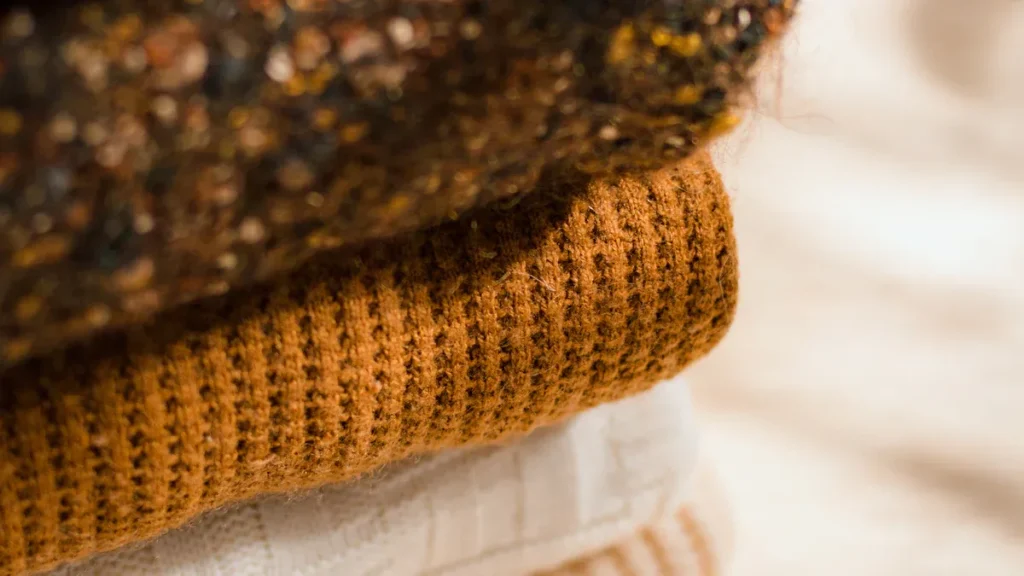
Choosing the right sweater material has a direct impact on everyday comfort, performance, and long-term wear. As we move toward 2026, wool, cashmere, cotton, acrylic, and well-balanced blends continue to be the preferred choices, offering a reliable combination of softness, warmth, and durability.
At VEKEN Sweater, we specialize in producing high-quality knitwear using these proven materials, while providing flexible customization options to meet different market and brand requirements. Meanwhile, evolving consumer preferences are shaping material selection across the industry, with growing demand for natural and organic fibers, allergen-free options suitable for sensitive skin, and vegan, eco-conscious materials that support more sustainable production.
Key Takeaways
- Choose natural fibers like Merino wool and cashmere for ultimate comfort and warmth.
- Look for hypoallergenic options like cotton blends and alpaca if you have sensitive skin.
- Check for durability features such as tight stitching and high-quality materials to ensure your sweater lasts.
- Consider your climate and lifestyle when selecting sweater materials for the best fit.
- Always follow care instructions to maintain the quality and longevity of your sweaters.
Why Sweater Material Matters
When you pick out a new sweater, you want it to feel good and last a long time. That’s why the importance of sweater material can’t be ignored. The right choice affects how you experience comfort and how well your sweater holds up over time. VEKEN understands this and always selects high-quality materials for every piece.
Comfort Factors
You know that feeling when you touch a sweater and it’s just right? That’s called “fabric hand.” It’s all about how the sweater feels—soft, smooth, or maybe a little stiff. This sensation comes from the type of yarn, how the sweater is made, and any special treatments. If you want comfort, you should look for these features:
- Elasticity: Sweaters with good stretch move with you and keep their shape.
- Breathability and moisture absorption: Knitted fabrics trap air, which helps your skin breathe and keeps you dry.
- Softness: Natural fibers like merino wool and cashmere often feel softer against your skin.
You’ll notice that comfort isn’t just about the material itself. The way the sweater is knitted and finished also plays a big role. VEKEN pays close attention to these details, so you get a sweater that feels great every time you wear it.
Durability Factors
You want your sweater to last through many seasons. Durability depends on more than just the fiber. Take a look at the table below to see what matters most:
| Characteristic | Influence on Durability |
|---|---|
| Knit Density | Loose knits allow more fiber transfer due to friction. |
| Surface Roughness | Greater roughness leads to less fiber loss. |
| Protruding Fibers | More protruding fibers create binding sites, enhancing durability. |
Other things to check include fabric composition, stitch density, and seam reinforcement. For example, tighter stitches and double-stitched seams help sweaters stay strong and keep their shape. VEKEN uses these methods to make sure your sweater stands up to daily wear.
Tip: Always check the label for material details and care instructions. This helps you get the most comfort and life out of your sweater.
Best Materials for Sweaters in 2026

When you shop for sweaters, you want the best materials for comfort, durability, and style. Let’s break down the top sweater fabrics you’ll see in 2026, so you can pick what works best for you. VEKEN Sweater offers all these options, so you can find your perfect fit.
Merino Wool
 If you want a warm wool sweater that feels light and never bulky, Merino wool is a top choice. You get a sweater that keeps you cozy but doesn’t make you overheat. Here’s why Merino wool stands out:
- Warm without being bulky
- Moisture-wicking, so you stay dry
- Odor-resistant, even after long wear
- Regulates temperature in any season
- Lightweight and versatile for layering
You can wear Merino wool in winter or cool spring days. It’s a favorite for people who want comfort and performance. VEKEN uses certified Merino wool, so you know you’re getting quality.
Sustainability and Certifications
| Standard Name | Description |
|---|---|
| Materials Matter Standard | Covers responsible animal fiber, including wool. |
| Responsible Wool Standard | Focuses on ethical sheep treatment and sustainable wool production. |
You can trust Merino wool from VEKEN because it meets strict standards for animal welfare and environmental care. Learn more about Responsible Wool Standard and why it matters.
Note: Merino wool often comes from non-mulesed sheep, with full traceability and third-party audits. This means you get a sweater that’s good for you and the planet.
Cashmere
 Cashmere feels like luxury every time you touch it. You’ll love how soft and light it feels on your skin. Many people choose cashmere for special occasions or when they want to treat themselves.
- Extremely soft and luxurious
- Lightweight, perfect for layering
- Keeps you warm without bulk
Cashmere is delicate, so you need to handle it with care. It can pill if you wear it every day, but it’s perfect for those moments when you want to feel special. VEKEN offers cashmere sweaters that balance comfort and elegance.
Sustainability Note
Traditional cashmere can harm the environment through overgrazing and land damage. In 2026, you’ll see more “baby cashmere” and sustainable options. These use smaller herds and careful grazing to protect the land. If you care about the planet, ask about the source of your cashmere. For more on sustainable cashmere, check The Good Cashmere Standard.
Cotton Blends
 If you want cotton for comfort, cotton blends are a smart pick. They combine the softness of cotton with the strength of other fibers. You get a sweater that feels good and lasts longer.
- Breathable and soft on your skin
- Comfortable for all-day wear
- Reliable and cost-effective
- Lower risk of overheating or irritation
| Advantage | Cotton Blends | Acrylic |
|---|---|---|
| Breathability | Yes | No |
| Softness | Yes | No |
| Durability | Moderate | High |
| Overheating Risk | Low | High |
| Irritation Risk | Low (hypoallergenic) | Moderate |
You can wear cotton blends year-round. They work well for people with sensitive skin. VEKEN offers a range of cotton blend sweaters, so you can find the right mix for your needs. For more on cotton blends, check Cotton Incorporated’s Fabric Guide.
Alpaca
 Alpaca sweaters are gaining fans fast. You get a sweater that’s soft, strong, and perfect for sensitive skin. Alpaca fiber is unique because it’s hollow, which means it keeps you warm in winter and cool in summer.
- Excellent insulation and breathability
- Softer and finer than regular wool
- Hypoallergenic (no lanolin)
- High tensile strength for long-lasting wear
- Absorbs less moisture, dries faster than Merino wool
Alpaca sweaters feel light but keep you warm. They’re great for people who want something different from traditional wool. VEKEN sources alpaca fiber that meets the Materials Matter Standard, so you know it’s responsibly made.
Tip: Alpaca is a favorite among eco-conscious shoppers. It’s sustainable, traceable, and supports responsible sourcing. Younger buyers love the transparency and low carbon footprint.
Learn more about alpaca fiber sustainability.
Acrylic and Sustainable Synthetics
 Acrylic sweaters are tough and easy to care for. You get durability and warmth, but less breathability than natural fibers. In 2026, you’ll see more sustainable synthetics in the best materials for sweaters.
| Material | Benefits | Drawbacks |
|---|---|---|
| Cotton | Soft, breathable, hypoallergenic | Shrinks, loses insulation when wet |
| Acrylic | Durable, moisture-resistant, retains heat | Less breathable, not biodegradable |
New sustainable synthetics are changing the game:
- Coconut carbon fiber: Made from recycled coconut shells, absorbs odors, and blocks UV rays.
- Massel fiber: Comes from hemp, breathes well, wicks moisture, and fights bacteria.
- Air conditioning fiber: Regulates temperature using NASA-inspired tech.
- Bamboo carbon fiber: Controls humidity and absorbs odors with a honeycomb structure.
- Graphene fiber: Super strong, thin, and conducts heat well.
You can find these innovative materials in VEKEN’s custom sweater range. They offer comfort, performance, and a smaller environmental footprint. For more on sustainable synthetics, visit Textile Exchange’s Preferred Fiber & Materials.
Pro Tip: Always check the label for fiber content and certifications. This helps you choose the right sweater fabrics for your needs.
You have many choices when it comes to the best materials for sweaters in 2026. Whether you want natural fibers, blends, or new synthetics, VEKEN Sweater has options that fit your style and values.
Comparing Sweater Materials

Choosing the right sweater material can feel tricky, but a side-by-side look makes it easier. You want comfort, durability, value, and easy care. Let’s break it down so you can pick what fits your life best.
Comfort Comparison
You want a sweater that feels good all day. Here’s how the top materials stack up:
| Material | Comfort Rating | What You’ll Notice |
|---|---|---|
| Merino Wool | High | Soft, keeps you dry, resists odors  |
| Cashmere | Very High | Silky, light, super warm |
| Alpaca | High | Hypoallergenic, cozy, gentle on skin |
| Cotton Blends | Moderate | Soft, easy to wear, less breathable |
| Synthetics | Low | Can feel clammy, less airflow |
Natural fibers like cashmere and Merino wool win for softness and insulation. Alpaca is great if you have sensitive skin. Cotton blends are comfy and easy to care for, but not as breathable as pure natural fibers. Many people love cotton for its softness and skin-friendly feel. You can check more about fiber comfort at Cotton Incorporated’s Fabric Guide.
Durability Comparison
You want your sweater to last. Here’s a quick look at how each material holds up:
- Merino wool: Stays strong with proper care, resists pilling.
- Cashmere: Feels delicate, but high-quality cashmere lasts for years.
- Alpaca: Very durable, keeps shape and warmth over time.
- Cotton blends: Good everyday durability, easy to wash.
- Synthetics: Tough, resists stretching and shrinking.
VEKEN Sweater uses strict quality checks and advanced machines to boost durability, so your sweater stays looking new.
Price and Value
Sweater prices can vary a lot. Here’s a quick guide:
| Material | Typical Price Range (USD) | Value Notes |
|---|---|---|
| 100% Mongolian Cashmere | $50 – $100 | High resale value, luxury feel |
| Merino Wool | $60 – $120 | Good balance of price and quality |
| Alpaca | $70 – $150 | Premium, long-lasting |
| Cotton Blends | $30 – $80 | Affordable, easy to find |
| Synthetics | $20 – $60 | Budget-friendly, less comfort |
Premium cashmere costs more up front, but you get lower cost per wear over time. Cashmere also keeps its value better than other materials.
Care and Maintenance
Taking care of your sweater helps it last longer. Here’s what you need to know:
| Material Type | Winter Care Tips | Summer Care Tips |
|---|---|---|
| Wool | Wash cold, use mild detergent, lay flat to dry | Store folded, away from sunlight |
| Cotton | Machine wash cold or warm, dry in shade | Store in a cool, dry place |
| Synthetics | Machine wash cold or warm, dry in shade | Store folded, avoid heat |
| Alpaca | Hand wash, dry flat, avoid wringing | Store with lavender to repel moths |
| Cashmere | Hand wash, use special detergent, dry flat | Store in breathable bag, avoid moisture |
Tip: Always check the care label. VEKEN includes clear instructions to help you keep your sweater in top shape.
You can customize your sweater with VEKEN, choosing the material, color, and fit that works for you. Their quality control means you get a sweater that feels good, lasts long, and matches your style.
Best Material for Cardigan Sweaters
Top Choices for Cardigans
When you pick a cardigan, you want something that feels good, looks sharp, and lasts through many wears. Cardigans need to work for layering, so you want materials that are soft, flexible, and not too bulky. Let’s look at how the top materials stack up for comfort and durability:
| Material | Comfort Characteristics | Durability Characteristics |
|---|---|---|
| Merino Wool | Naturally breathable, moisture-wicking, highly insulating | Excellent durability, retains shape well |
| Cashmere | Luxuriously soft, excellent warmth-to-weight ratio | High durability but can be delicate |
| Acrylic | Affordable but lacks breathability, retains moisture | Good durability but can lose shape over time |
| Cotton | Lightweight but poor insulator when wet | Moderate durability, can wear out quickly |
| Blends (e.g., wool-polyester) | Offers durability and shape retention | Synthetic content may reduce thermal efficiency |
You might notice that Merino wool and cashmere stand out for their comfort and warmth. Merino wool keeps you cozy without overheating, while cashmere feels soft and light, perfect for layering under jackets or wearing on its own. Cotton works well for lightweight cardigans, but it doesn’t insulate as well if it gets wet. Blends give you a mix of durability and comfort, making them a smart choice for everyday wear.
Cardigans need to handle frequent use and changing outfits. You want a material that holds its shape and feels good against your skin. That’s why many people consider Merino wool or a quality blend as the best material for cardigan sweaters.
Tip: Choose lighter materials like cashmere if you plan to layer your cardigan for work or casual outings. You’ll get a polished look without feeling bulky.
VEKEN Cardigan Customization
You don’t have to settle for off-the-rack cardigans. With VEKEN, you can customize every detail of your cardigan sweater. Pick your favorite material, color, and pattern. VEKEN supports brands and retailers with flexible order sizes, so you can design cardigans that fit your style or your customers’ needs.
VEKEN’s advanced knitting machines and skilled team help you create cardigans that stand out. You can add special features like custom labels, embroidery, or unique trims. Every cardigan goes through strict quality checks, so you know you’re getting a piece that lasts.
If you want to offer your customers something unique, VEKEN makes it easy to design cardigans that match your vision. You get comfort, durability, and style—all in one sweater.
How to Choose the Right Sweater Material
Picking the right sweater material can feel overwhelming, but you can make it simple by thinking about your daily life, your skin, and your budget. Let’s break it down so you find the best fit for you.
Lifestyle and Climate
Your routine and the weather where you live play a big role in your choice. If you spend a lot of time outdoors in cold weather, you want something warm and insulating. If you live somewhere mild or need a sweater for the office, you might prefer lighter fabrics.
Here’s a quick guide to help you match your climate and needs:
| Climate Condition | Suitable Fabrics |
|---|---|
 Warm Weather Warm Weather | Cotton, linen, rayon, chambray |
 Cold Weather Cold Weather | Wool, flannel, fleece, corduroy |
 Transitional Transitional | Medium-weight cottons, stable knits, light wool blends |
 Care Needs Care Needs | Machine washable (cotton, polyester), delicate (fine wools) |
 Shrinkage Risk Shrinkage Risk | Natural fibers (cotton, linen) can shrink |
Tip: If you want a sweater that’s easy to care for, look for machine-washable options. VEKEN lets you customize your order, so you can pick the right material for your climate and lifestyle.
Allergies and Sensitivities
If you have sensitive skin or allergies, you need to choose carefully. Some materials feel better than others.
- Cotton is gentle and hypoallergenic. It works well for kids and adults with eczema or allergies.
- Merino wool is softer than regular wool, but some people still feel itchy.
- Cotton keeps you cool and doesn’t trap heat, which helps if you get hot easily.
You can always ask VEKEN for samples or advice on the best sweater material for sensitive skin.
Budget Considerations
You don’t have to spend a fortune to get a comfortable, durable sweater. Some affordable options, like the Quince Mongolian Cashmere Crewneck, offer great softness and quality. The Naadam Original Cashmere Sweater is another good pick if you want a classic look and a bit of luxury without breaking the bank.
VEKEN supports both small and large orders, so you can try different materials or designs without a big commitment. You get flexibility, whether you’re shopping for yourself or your brand.
Want something unique? VEKEN’s custom sweater options let you choose the material, color, and style that match your needs.
Care Tips for Sweater Longevity
Want your favorite sweater to last for years? You need the right care routine. Each material has its own needs, so let’s break down the best ways to wash, dry, and store your sweaters.
Washing and Drying
You can keep your sweater looking new if you follow the right washing and drying steps. Here’s a quick guide for each material:
| Material | Washing Method | Drying Method |
|---|---|---|
| Wool/Merino | Hand wash cold, mild detergent | Lay flat, reshape |
| Cashmere | Hand wash cold, special detergent | Lay flat, avoid sun |
| Cotton Blends | Machine wash cold, gentle cycle | Tumble dry low or lay flat |
| Acrylic | Machine wash cold, gentle cycle | Tumble dry low |
| Alpaca | Hand wash cold, mild soap | Lay flat, reshape |
Tip: Always check the care label before washing. VEKEN includes clear care instructions on every sweater, so you know exactly what to do.
Never wring out your sweater. Gently press out water with a towel. Lay it flat to dry. This keeps the shape and prevents stretching.
Storage and Maintenance
Proper storage keeps your sweater fresh and ready to wear. Here’s what you should do:
- Fold sweaters instead of hanging them. Hanging can stretch out the shoulders.
- Store in a cool, dry place. Use breathable cotton bags for cashmere and wool.
- Add cedar balls or lavender sachets to keep moths away.
- Wash sweaters before storing for the season. This removes oils and dirt that attract pests.
If you see pilling, use a sweater comb or fabric shaver. Don’t pull pills by hand.
VEKEN’s quality assurance team checks every sweater for durability. You also get a care label with each order, so you always know the best way to care for your knitwear.
By following these sweater care tips, you help your favorite pieces stay soft, comfortable, and looking great year after year.
You want the best sweater materials for comfort and durability in 2026. Merino wool, cashmere, cotton blends, alpaca, and advanced synthetics all deliver great results. VEKEN Sweater gives you expert craftsmanship and full customization for every order. Remember, quality materials and proper care help your sweaters last longer. Ready to upgrade your wardrobe or brand? Explore more custom knitwear solutions at VEKEN’s website.
FAQ
What is the most comfortable sweater material for sensitive skin?
You might find cotton blends or alpaca best for sensitive skin. These materials feel soft and rarely cause irritation. Merino wool also works for many people because it is smoother than regular wool.
How do I know if a sweater is high quality?
Check the label for material details and certifications like OEKO-TEX® or ISO9001. Look for tight, even stitching and a smooth finish. High-quality sweaters keep their shape and feel soft after washing.
Can I machine wash my wool or cashmere sweater?
Most wool and cashmere sweaters need hand washing with cold water and mild detergent. Some blends allow machine washing on a gentle cycle. Always read the care label before washing.
Which sweater material is best for warm climates?
Cotton and lightweight blends work well in warm weather. These fabrics breathe easily and keep you cool. Avoid heavy wool or thick synthetics if you want to stay comfortable.
Does VEKEN offer custom sweater designs for small orders?
Yes! You can order as few as 300 pieces per design with VEKEN. Choose your material, color, and style. VEKEN supports both small and large orders for brands and retailers.
